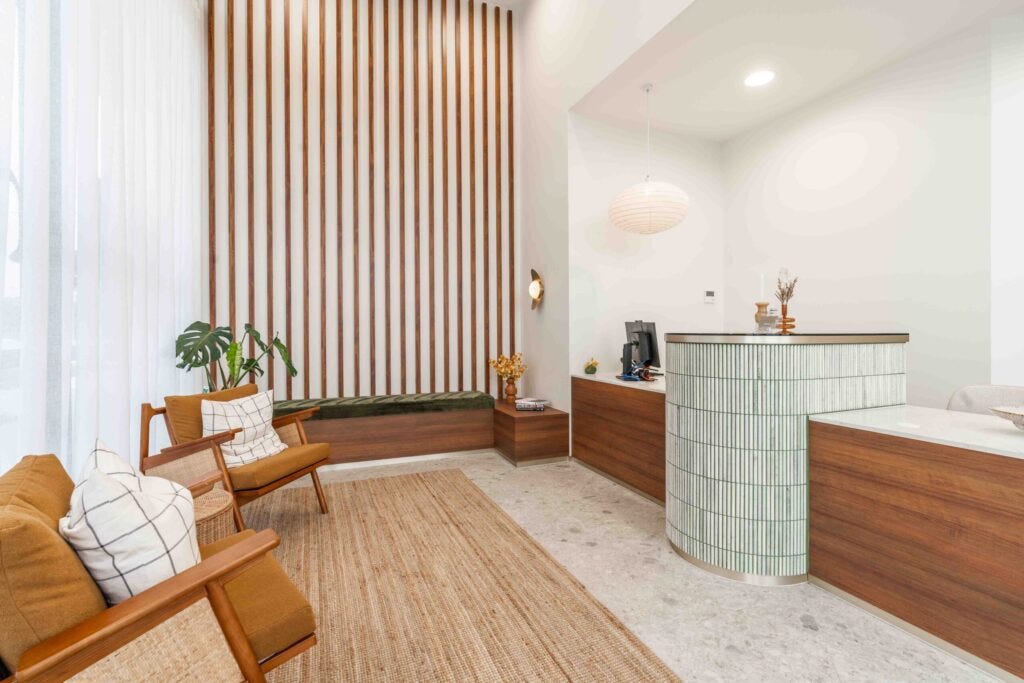
Hospital interior decoration plays a vital role in creating environments that promote healing, comfort, and operational efficiency. Hospitals are complex spaces that serve patients, visitors, and healthcare professionals around the clock. Thoughtful interior decoration helps transform these high-pressure environments into calming, well-organized spaces that support both physical recovery and emotional well-being.
Effective hospital interior decoration goes far beyond aesthetics. It requires a deep understanding of healthcare functionality, safety regulations, and patient psychology. Decorative elements such as color schemes, lighting, wall finishes, and furnishings must align with infection control standards while contributing to a soothing atmosphere. Soft, neutral tones are often used to reduce stress, while carefully placed artwork and natural elements help create a more welcoming environment.
One of the most important aspects of hospital interior decoration is zoning. Different areas—such as patient rooms, waiting areas, operating zones, and administrative spaces—require unique design approaches. Patient rooms benefit from warm lighting, comfortable furniture, and minimal visual clutter, while clinical zones prioritize durability, hygiene, and clear visibility. Well-designed waiting areas improve visitor comfort and reduce anxiety during long waiting periods.
OnTime Healthcare specializes in hospital interior decoration solutions that balance visual appeal with medical functionality. Their approach focuses on understanding hospital workflows and patient needs to create interiors that are efficient, compliant, and calming. Every decorative choice is carefully planned to ensure it enhances the hospital’s overall performance without compromising safety or hygiene.
Lighting plays a key role in hospital interior decoration. Natural light is encouraged wherever possible, as it positively impacts patient recovery and staff well-being. Artificial lighting is designed to be both functional and gentle, reducing eye strain while maintaining clinical accuracy. Proper acoustics and noise-control elements are also integrated to create quieter, more comfortable spaces.
Wayfinding and visual clarity are essential in large hospital environments. Clear signage, color-coded zones, and intuitive layouts help patients and visitors navigate complex facilities with ease. Thoughtful interior decoration improves orientation, reduces confusion, and enhances the overall hospital experience.
Investing in professional hospital interior decoration is a strategic decision for healthcare institutions. A well-decorated hospital reflects professionalism, care, and attention to detail, reinforcing trust among patients and their families. It also supports staff productivity by creating organized, pleasant workspaces.
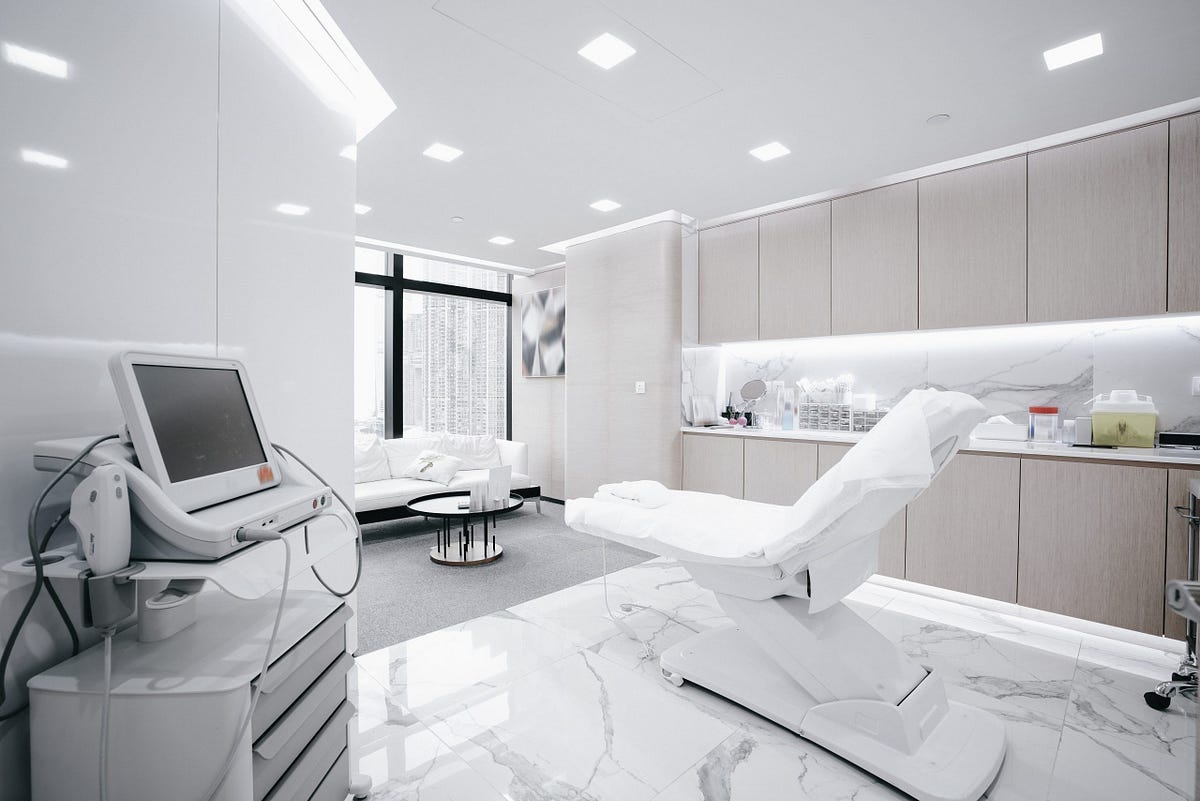
Frequently Asked Questions (FAQs)
1. Why is hospital interior decoration important?
It improves patient comfort, supports healing, enhances navigation, and contributes to staff efficiency.
2. What elements are included in hospital interior decoration?
Color schemes, lighting, furniture, wall finishes, signage, acoustics, and decorative features designed for healthcare settings.
3. How does interior decoration affect patient recovery?
Calm colors, natural light, reduced noise, and comfortable spaces help lower stress and support faster recovery.
4. Why choose OnTime Healthcare for hospital interior decoration?
OnTime Healthcare delivers compliant, functional, and patient-focused decoration solutions tailored to hospital environments.
Conclusion
Professional hospital interior decoration is essential for creating healthcare spaces that are both functional and emotionally supportive. By combining thoughtful aesthetics with strict healthcare standards, hospitals can enhance patient satisfaction, staff efficiency, and overall care quality. With proven expertise in healthcare interiors, OnTime Healthcare helps hospitals design environments that promote healing, trust, and long-term operational success.